

Symptoms include unusual bleeding or bruising, dark urine, yellowing of the skin or eyes, and pain in the upper right part of the abdomen. If you experience such symptoms after taking naltrexone, you should contact your doctor immediately. John Alcoholics Anonymous C. Umhau, MD, MPH, CPE is board-certified in addiction medicine and preventative medicine. For over 20 years Dr. Umhau was a senior clinical investigator at the National Institute on Alcohol Abuse and Alcoholism of the National Institutes of Health (NIH).
If the Sinclair Method is so effective, why haven’t I heard of it before?
- Some patients dropped out due to nalmefene’s side effects—similar in profile to those of generic naltrexone, and which some subjects in the placebo group also perceived.
- The Sinclair Method is a form oftreatment for alcohol use disorder thatfocuses on reducing alcoholconsumption rather than abstainingfrom alcohol altogether.
This method is often recommended for people who drink daily or who want to quit entirely. Nevertheless, Dr. Sinclair’s work laid the foundation for a new approach to addiction treatment, emphasizing the potential of medication-assisted therapy to change the way individuals relate to alcohol. His legacy is The Sinclair Method—a testament to the power of scientific inquiry to challenge conventions and offer hope to those struggling with AUD.
We Care About Your Privacy
- Understanding how naltrexone interacts with the brain’s reward system and extinction behavioral principles provides scientific support for this method.
- Additionally, if someone chooses to continue drinking while on naltrexone, they can drink enough to break the protective “wall” that naltrexone provides.
- Proponents argue that TSM addresses the conditioning aspects of alcohol use, rather than relying on sheer willpower or abrupt abstinence.
- The timing of naltrexone administration is also critical to its effectiveness within the Sinclair Method framework.
For example, professionals who need to attend business dinners or people from cultures where alcohol is deeply embedded in social life. There are many additional treatment options to help you work through the social and emotional dimensions to changing your relationship with alcohol. The more resources you have in your toolkit, the more likely you are to succeed. Specialized alcohol therapy can help you identify your goals, process thoughts and emotions, and address co-occuring mental health conditions. Therapist-moderated support groups can also provide a safe space to discuss your relationship with alcohol and learn new coping skills.
- Some people use other forms of medication-assisted treatment, while others accomplish their goals through therapy and peer support, or a combination of all three modalities.
- Naltrexone works by blocking these receptors in the brain, which are responsible for the rewarding effects of endorphin release.
- The goal is to retrain the brain to perceive alcohol as less pleasurable, reducing the desire for alcohol.
What is the Sinclair Method and how does it work?

Hear from real Thrive members about their experience with naltrexone and success in the program. Traditionally, the diagnosis and treatment of AUD have centered around recognizing these patterns of alcohol abuse and implementing strategies aimed at achieving and Sinclair method maintaining abstinence. However, after 4-6 hours from the initial dose of naltrexone, this wall becomes weaker because the maximum naltrexone concentration in the blood has worn off and is being metabolized. Due to naltrexone’s concentration in the blood, some individuals may require a second dose of naltrexone or a higher initial dose to ensure this “wall” remains effective. TSM is a powerful solution for those who want to regain control and moderate their drinking, offering a stress-free, sustainable approach without the pressure to quit entirely.
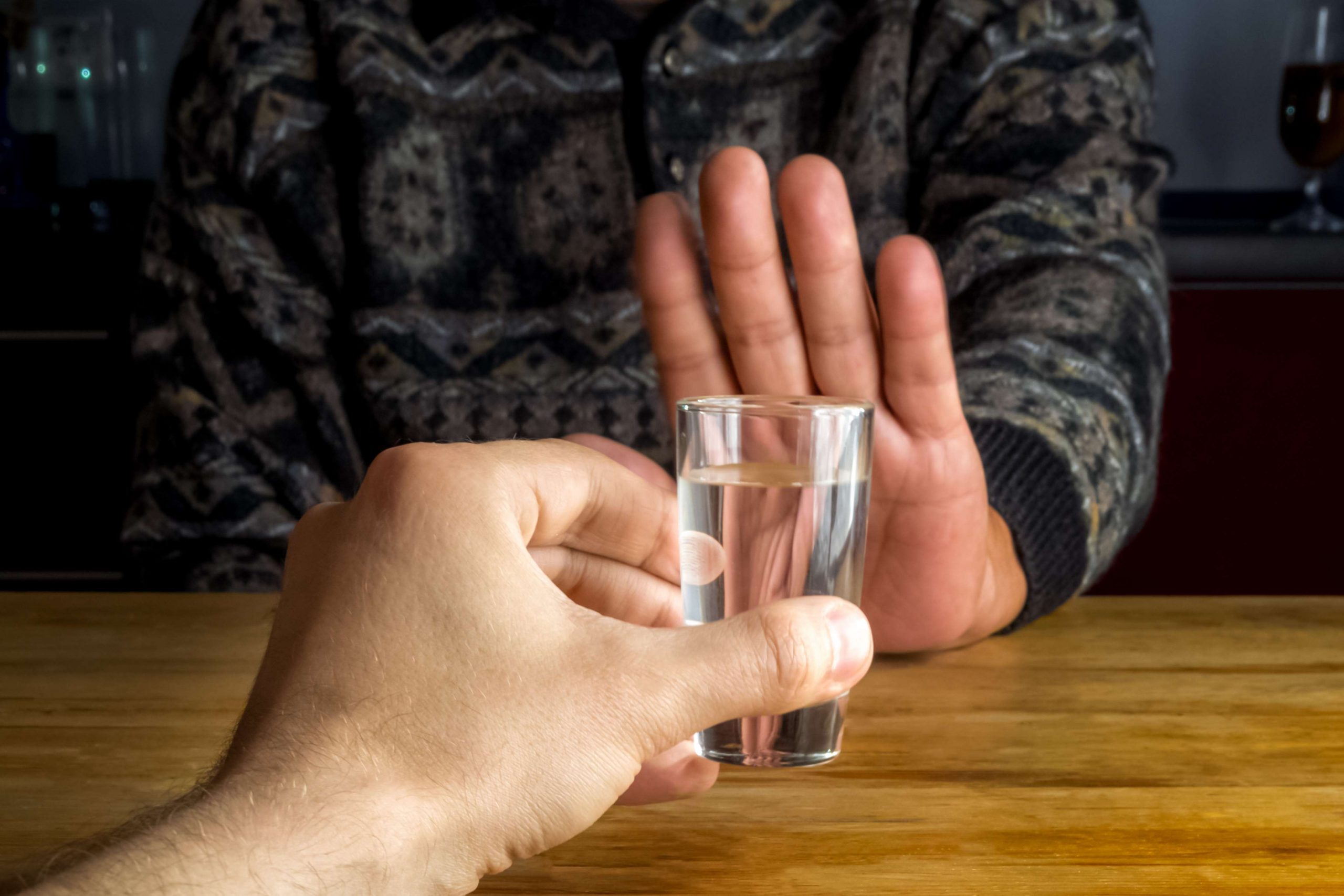
Who can use TSM?

The Sinclair method is a form of treatment for alcohol use disorder that focuses on reducing use rather than maintaining complete abstinence. This may be an option to consider if your loved one is struggling with alcohol use. Josh Lee is a clinician and researcher with a focus on medication-assisted treatment of alcohol and opioid use disorders. He has conducted multiple clinical trials examining the use of naltrexone in primary care and other community settings. As a practicing physician, Josh helps manage the NYC Health + Hospitals/Bellevue addiction medicine clinic in adult primary care. Eventually, the drink-equals-reward pattern gets interrupted because alcohol no longer presents that feel-good sensation.